Mercoledì 15 Aprile 2026, ore 13:00
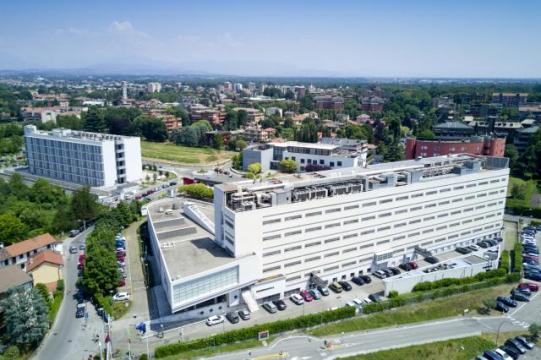
Edificio Asclepio U8-Aula 4
> Streaming webex
Digital Medicine: background, clinical applications, and future challenges
The integration of digital technologies into healthcare systems requires a clear taxonomic distinction between Digital Health, Digital Medicine, and Digital Therapeutics (DTx). While Digital Health encompasses general wellness tools, Digital Medicine and DTx require clinical evidence of efficacy and regulatory validation for professional use.
The current technological landscape—driven by Artificial Intelligence (AI), Big Data, and clinical-grade sensors—enables new paradigms in advanced diagnostics and the development of personalized predictive models, such as digital twins.
However, large-scale implementation faces critical challenges, including the protection of sensitive health data, the risk of algorithmic bias, and the need for updated regulatory frameworks to support reimbursement for digital services.
The shift toward precision medicine does not replace clinical judgment, but rather enhances it through a synergistic integration of data-driven evidence and traditional medical practice, with the ultimate goal of delivering more equitable and accessible care.
Marco Crimi
Marco Crimi, PhD, is a genomic scientist and healthcare digital entrepreneur with more than 20 years of experience in molecular medicine, rare diseases, and digital health innovation.
He currently serves as President of Kaleidos SCS and CEO and Co-founder of Net-Medicare, where he leads the development of digital solutions for telemedicine, genetic counselling, and data-driven healthcare services.
Dr Crimi earned his PhD in Molecular Medicine from the University of Milan and has held research positions at the National Institute of Molecular Genetics in Milan and at the University of California, Irvine. He later worked as a Research Program Manager at Fondazione Telethon and continues to collaborate with national and international initiatives in genomics and rare diseases.
He is the author of more than 45 scientific publications and has contributed to several European and international projects focused on digital medicine, telehealth, and rare disease care.
His current work centres on the integration of genomics, artificial intelligence, and telemedicine to improve access to personalised healthcare.